Which Is Best, Hardwood Or Ceramics?
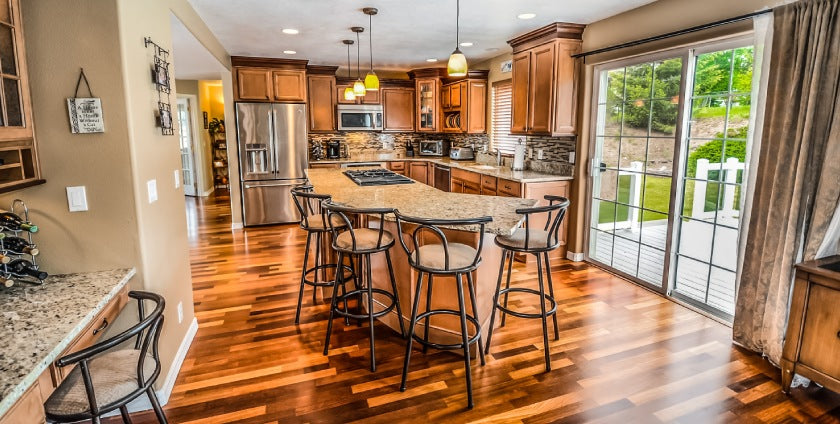
Choosing new flooring for your home is a significant decision that impacts both aesthetics and functionality. The dilemma between hardwood and ceramic flooring is common, as both offer distinct advantages and disadvantages. This choice affects your home's beauty, comfort, and long-term value, representing a considerable investment. To make an informed decision, it's essential to understand the characteristics, pros, cons, and costs associated with each material, along with how they perform in various living environments.
Key takeaways
- Ceramic and porcelain tiles offer superior water resistance and durability, making them ideal for moisture-prone and high-traffic areas.
- Hardwood floors, including solid and engineered options, provide timeless aesthetics, warmth, and can significantly increase home resale value.
- Tile installation is often more complex and costly due to subfloor requirements and specialized labor, while engineered hardwood can be simpler to install.
- Consider your budget, home environment (e.g., moisture, traffic), and lifestyle when choosing between the hard, cold feel of tile and the softer, warmer feel of wood.
- Solid hardwood can be refinished multiple times to extend its lifespan, whereas tile repairs often involve replacing individual damaged pieces.
Our installers find that while ceramic tile offers unmatched durability in wet areas, hardwood flooring consistently elevates a home's aesthetic and resale value.
Hardwood vs. Ceramic: Understanding the Core Differences
Both hardwood and ceramic flooring offer a wide range of styles, colors, and finishes to suit diverse tastes and budgets. However, their fundamental compositions and performance characteristics differ significantly. When we discuss "hardwood," we typically refer to both solid and engineered wood products. For "ceramic," we often include porcelain tile due to its similar application and enhanced durability, a common modern alternative.

Ceramic and Porcelain Tile Flooring
Ceramic tiles are a traditional and versatile choice for covering floors and walls, made from clay and minerals fired at high temperatures. Most feature a glazed top layer providing water resistance and scratch protection. Porcelain tile, a denser type of ceramic fired at even higher temperatures, is significantly harder, less porous, and more water-resistant, making it suitable for high-traffic and high-moisture areas, including outdoor use.
Advantages of Ceramic and Porcelain Tile
- Exceptional Durability and Longevity: High-quality ceramic and porcelain tiles resist wear, deep scratches, fading from UV light, and staining, maintaining their original appearance for decades. Porcelain boasts superior strength and chip resistance.
- Superior Water and Moisture Resistance: The glazed surface of ceramic and the inherent density of porcelain make them highly resistant to water. This makes them ideal for moisture-prone areas like bathrooms, kitchens, laundry rooms, and basements.
- Easy Maintenance and Hygiene: Cleaning ceramic and porcelain tile is straightforward. Spills wipe up easily, and routine cleaning requires sweeping or mopping with mild detergents. Their non-porous surface inhibits bacteria and mold growth, contributing to better indoor hygiene.
- Versatility in Design: Tiles come in an almost limitless array of colors, patterns, sizes, and textures. Modern manufacturing allows for tiles that convincingly mimic natural stone, wood, or concrete, offering immense design flexibility.
- Climate Adaptability and Thermal Properties: Tile performs well in various climates. It's excellent for warmer regions due to its cooling properties. Ceramic and porcelain are also highly compatible with radiant underfloor heating systems, efficiently conducting and retaining heat.
Disadvantages of Ceramic and Porcelain Tile
- Hard and Cold Underfoot: Tiles are inherently rigid and can feel cold, especially in winter, unless paired with underfloor heating. This hard surface can be uncomfortable for bare feet, may contribute to joint fatigue, and offers no cushioning.
- Complex and Costly Installation: Installing tile requires significant preparation, including a perfectly level and rigid subfloor, specialized tools, mortar, and grout. It's a messy, labor-intensive, and time-consuming process that typically requires professional expertise, leading to higher installation costs.
- Vulnerability to Cracking and Difficult Repairs: Tiles can crack or chip if heavy objects are dropped or if the subfloor shifts. Replacing a single damaged tile can be challenging, often requiring professional help to ensure a seamless repair.
- Slippery Surface: Some glazed or highly polished tiles can become very slippery when wet, posing a significant safety hazard. Textured, matte, or slip-resistant finishes can help mitigate this risk.
- Grout Maintenance: Grout lines can accumulate dirt, stains, and mildew over time. While modern grouts offer improved stain resistance, periodic deep cleaning and sealing are often still required to maintain appearance and prevent moisture penetration.

Hardwood Flooring: Solid and Engineered Options
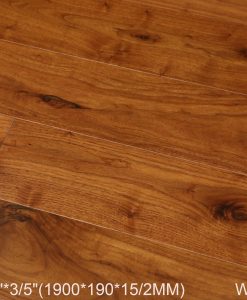
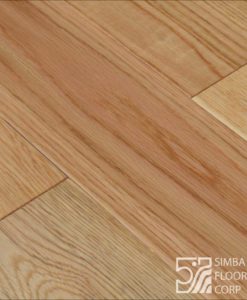
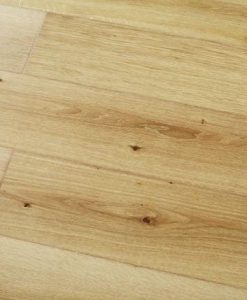
Hardwood flooring brings natural beauty, warmth, and timeless elegance to any space. It comes in two primary forms: solid hardwood, a single piece of wood that can be sanded and refinished multiple times; and engineered hardwood, which features a real wood veneer bonded to multiple layers of plywood or fiberboard. Engineered hardwood offers greater stability and resistance to moisture fluctuations, making it suitable for areas where solid hardwood might not perform as well, such as basements or over radiant heat.
Advantages of Hardwood Flooring
- Timeless Aesthetics and Natural Warmth: Hardwood floors offer a classic, elegant look that enhances a home's character and provides a naturally warm and inviting atmosphere. The unique grain patterns and rich tones of real wood are unmatched, creating a sense of luxury and comfort.
- Comfort Underfoot and Sound Absorption: Compared to tile, hardwood is softer and warmer underfoot, making it more comfortable to walk on. Its natural elasticity also provides better sound absorption, reducing echo and making rooms feel quieter.
- Exceptional Durability and Refinishing Potential: With proper care, hardwood floors can last for generations. Solid hardwood can be sanded and refinished multiple times to remove wear and scratches, effectively renewing its appearance. Engineered hardwood is also very durable and can often be refinished once or twice.
- Increases Home Value and Market Appeal: Hardwood flooring is consistently cited as a highly desirable feature by homebuyers. It significantly increases a property's resale value and market appeal, often yielding a strong return on investment.
- Design Versatility: Hardwood comes in a vast array of wood species, plank widths, finishes, and stain colors. This allows for customization to match any interior design style, from rustic to contemporary.
- Hypoallergenic: Unlike carpets, hardwood does not trap dust, pollen, or other allergens, contributing to significantly better indoor air quality and making it a preferred choice for allergy sufferers.
Disadvantages of Hardwood Flooring
- Vulnerability to Moisture: Solid hardwood is highly susceptible to moisture damage, leading to warping, cupping, or gapping. While engineered hardwood offers better moisture resistance, it is still not suitable for extremely wet environments without careful installation and precautions.
- Prone to Scratches and Dents: Hardwood can be scratched by pet claws, furniture, or high heels, and heavy dropped objects can cause dents. While minor scratches can be camouflaged, significant damage may require professional refinishing.
- Specific Maintenance Requirements: Hardwood floors require specific cleaning products and methods. Excessive water can cause damage, so wet mopping is generally not recommended. Regular sweeping, vacuuming, and using wood-specific cleaners are essential.
- Cost: High-quality hardwood flooring can have a higher upfront material and installation cost compared to many tile options.
- Expansion and Contraction: Wood naturally expands and contracts with changes in humidity and temperature. This requires leaving expansion gaps during installation, which can sometimes lead to visible seams or slight gapping between planks.
- Noise: Older or improperly installed solid hardwood floors can sometimes creak or squeak underfoot.


Key Considerations for Your Flooring Choice
When deciding between hardwood and ceramic or porcelain tile, a thorough evaluation of your specific needs, budget, and lifestyle is crucial:
- Budget: Consider the total cost, including material and installation expenses. Hardwood materials can be pricier upfront, but tile installation often carries higher labor costs due to its complexity and specialized requirements. Factor in long-term maintenance.
- Location and Environment: For moisture-prone areas like full bathrooms, laundry rooms, and basements, ceramic or porcelain tile is generally the safer choice. Hardwood, particularly solid hardwood, is best suited for living rooms, dining rooms, bedrooms, and hallways where moisture exposure is minimal.
- Lifestyle & Comfort: Homes with active children, large pets, or high foot traffic might benefit from porcelain tile's extreme scratch and stain resistance. Conversely, hardwood's natural warmth, comfort underfoot, and sound-dampening qualities are often preferred for family spaces.
- Maintenance Commitment: Are you prepared for periodic grout cleaning and sealing for tile, or the careful cleaning and potential future refinishing of hardwood? Both require attention, but the nature of that attention differs significantly.
- Resale Value: Hardwood typically offers a strong return on investment and is a highly sought-after feature by homebuyers, often making a home more attractive and commanding a higher price.
- Installation & Subfloor Requirements: Both require a stable, clean, and level subfloor. However, tile demands a very rigid and flat surface to prevent cracking, often requiring additional subfloor preparation and specialized installation. Engineered hardwood can be simpler to install, especially with click-lock systems, but still needs a proper moisture barrier in certain conditions.
- Underfloor Heating: Ceramic and porcelain tiles are excellent thermal conductors and highly compatible with radiant heating systems. Engineered hardwood can also be compatible with specific radiant systems, but solid hardwood is generally not recommended.
With our detailed explanations about hardwood floors and ceramic/porcelain tiles, you now have a clearer picture to choose what best suits your needs and preferences. The ideal choice also depends on the product’s brand, material quality, and your specific budget. We strongly advise you to consult with our experts at D&R Floorings to find what type of flooring best suits your home and budget, ensuring a beautiful and functional result for years to come.

Frequently asked questions
Is ceramic or hardwood better for kitchens and bathrooms?
Ceramic and porcelain tiles are generally better for kitchens and bathrooms due to their superior water resistance and ability to withstand spills and humidity without damage.
Which flooring type is warmer underfoot, hardwood or ceramic?
Hardwood flooring is naturally warmer underfoot and offers better insulation compared to ceramic or porcelain tile, which can feel cold, especially in winter.
Does hardwood or ceramic flooring add more value to a home?
Hardwood flooring consistently adds more resale value and market appeal to a home compared to ceramic tile, making it a highly desirable feature for potential buyers.
How does installation complexity differ between hardwood and ceramic?
Ceramic tile installation is typically more complex, messy, and time-consuming, requiring a perfectly level subfloor, mortar, and grout. Engineered hardwood, especially click-lock systems, can be faster and less involved.
Can I use underfloor heating with both hardwood and ceramic?
Ceramic and porcelain tiles are excellent conductors and highly compatible with underfloor heating. Engineered hardwood can also be used with specific radiant systems, but solid hardwood is generally not recommended due to heat-induced warping.