Radiant Floor Heating with Tile: The Ultimate Home Upgrade

Radiant floor heating beneath tile creates an incredibly comfortable and energy-efficient living space by warming surfaces directly. This system eliminates cold spots, reduces airborne allergens, and provides a luxurious feel underfoot that forced-air systems simply can't match, making it a worthwhile upgrade for many homes.
Key takeaways
- Radiant floor heating with tile provides superior comfort and energy efficiency by warming surfaces directly, eliminating cold spots.
- Electric radiant systems are ideal for small areas like bathrooms due to quicker heating and easier installation, while hydronic systems are more cost-effective for whole-home applications.
- Tile's excellent thermal conductivity and heat retention make it an ideal partner for radiant heating, ensuring efficient heat transfer and consistent room temperatures.
- Proper subfloor preparation, insulation, and the use of an uncoupling membrane are critical for the long-term performance and durability of heated tile floors.
- While installation costs are higher, radiant heating can increase home resale value and offers significant long-term comfort and efficiency benefits.
Why Choose Radiant Floor Heating for Tile?
Imagine stepping out of the shower onto a perfectly warm bathroom floor, even on the coldest mornings. This isn't just a dream; it's the everyday reality with radiant floor heating under your tile. The comfort is truly unmatched.
The Unmatched Comfort of Warm Tile Underfoot
Tile flooring is known for being durable and beautiful, but it can feel cold, especially in cooler climates. Radiant heating transforms these surfaces into a consistent, gentle heat source. This warmth permeates the room from the ground up, creating a cozy atmosphere.
Energy Efficiency and Heat Distribution Benefits
Radiant heat systems are often more energy-efficient than traditional forced-air systems. They heat objects and people directly, rather than just the air, which means you can often set your thermostat a few degrees lower and still feel warmer. The heat is distributed evenly across the entire floor, eliminating the cold spots common with other heating methods.
Health Advantages: Reduced Dust and Allergens Compared to Forced Air
Forced-air systems circulate air, which can stir up dust, pet dander, and other allergens throughout your home. Radiant heating works silently and without air movement, leading to a cleaner indoor environment. This can be a significant benefit for anyone with allergies or respiratory sensitivities.
Types of Radiant Heating Systems
When considering radiant floor heating, you'll generally choose between two main types: electric and hydronic. Each has specific applications and benefits to consider for your home.
Electric Radiant Heating: Ideal for Bathrooms and Small Spaces
Electric radiant heating systems use thin mats or cables installed directly under your tile. They are relatively easy to install in smaller areas like bathrooms, kitchens, or entryways. These systems heat up quickly and are controlled by a dedicated thermostat, offering precise temperature control for individual rooms. While the initial installation cost can be lower, the operational costs per square foot are typically higher than hydronic systems.
Hydronic Radiant Heating: Cost-Effective for Whole-Home Applications
Hydronic systems circulate warm water through a network of PEX tubing laid beneath your subfloor. This water is heated by a boiler or water heater. Hydronic systems are more complex to install and have a higher upfront cost, but they are significantly more energy-efficient for heating larger areas or an entire home. They take longer to heat up but retain heat for extended periods, providing consistent warmth at a lower operational cost.
Comparing Installation Complexity and Operational Costs
Electric systems are simpler for DIY-savvy homeowners or smaller projects, often involving laying mats and connecting to an electrical circuit. Hydronic systems, however, require plumbing expertise, a boiler, and a more intricate tubing layout, making professional installation almost always necessary. **For a few rooms, electric radiant heating is often the practical choice, while hydronic systems are best for whole-home efficiency.**
Compatibility: Why Tile is the Perfect Partner
Not all flooring types work equally well with radiant heating. Tile, particularly ceramic and porcelain, stands out as an exceptional choice due to its inherent properties.
Thermal Conductivity of Ceramic and Porcelain Tile
Tile has excellent thermal conductivity, meaning it efficiently transfers heat from the radiant system below to the surface you walk on. Unlike carpet or wood, which can insulate and block heat, tile allows warmth to pass through quickly and effectively. This ensures your heating system operates at peak efficiency.
How Tile Retains Heat for Consistent Room Temperature
Once heated, tile floors act as a thermal mass, retaining warmth for a longer duration. This property helps maintain a consistent room temperature, reducing the cycling on and off of your heating system. The stored heat continues to radiate even after the system turns off, contributing to energy savings and sustained comfort. **Tile's high thermal conductivity and heat retention make it an ideal flooring material for radiant heating.**
Durability of Tile in High-Moisture Radiant Environments
Tile is naturally resistant to moisture, making it perfect for bathrooms, kitchens, and basements where radiant heat is often desired. It also handles temperature fluctuations well, resisting warping or degradation that other materials might experience. This durability ensures your heated tile floor will last for decades with proper care.
Critical Installation Considerations
Installing radiant floor heating under tile is a precise job that requires careful attention to detail. Proper installation is key to both performance and longevity.
Subfloor Preparation and Insulation Requirements
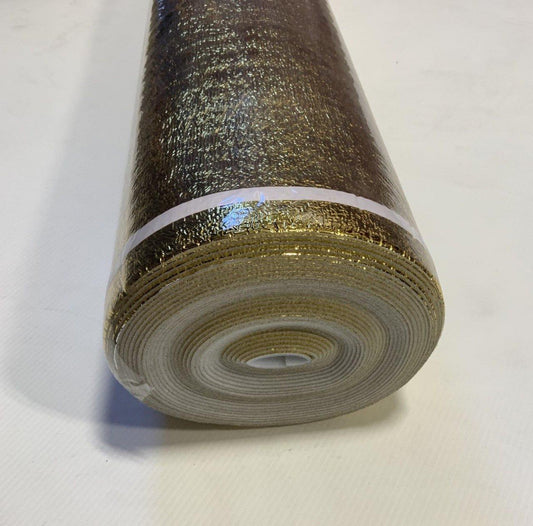
Before any heating elements are laid, your subfloor must be clean, level, and structurally sound. Any inconsistencies can lead to issues with the heating system or tile cracking. Additionally, insulation below the heating elements is crucial to direct heat upwards into the room, preventing loss downwards into the subfloor or foundation. This maximizes efficiency and ensures uniform heating.
The Role of Uncoupling Membranes in Preventing Tile Cracks
An uncoupling membrane is a non-negotiable component when installing tile over radiant heat. These membranes provide a layer that absorbs the differential movement between the subfloor (which expands and contracts at a different rate than the tile and thin-set during heating and cooling cycles) and the tile assembly. This critical layer prevents shear stress from reaching the tile, significantly reducing the risk of cracks. **Proper subfloor preparation and the use of an uncoupling membrane are vital for a successful heated tile floor.**
Selecting the Right Thin-Set and Grout for Heated Surfaces
You'll need a high-quality, polymer-modified thin-set mortar that can withstand the thermal expansion and contraction associated with heated floors. This flexibility helps maintain a strong bond between the tile and the substrate. Similarly, use a flexible, polymer-modified grout that can accommodate movement without cracking. Always check product specifications to ensure they are rated for radiant heat applications.


Planning Your Project: Budget and Timeline
A successful radiant heating project starts with realistic expectations regarding both cost and time. This isn't a weekend DIY job for most homeowners.
Estimating Material and Labor Costs for Heated Tile Floors
Costs for heated tile floors vary widely based on the system type, square footage, and regional labor rates. Electric systems typically range from $6-$15 per square foot for materials, while hydronic systems can be $8-$20+ per square foot for materials, not including the boiler. Professional installation labor can add another $5-$25 per square foot, depending on complexity. Always get multiple detailed quotes. **Factor in both material and professional installation costs when budgeting for heated tile floors.**
Timeline Expectations from Subfloor Prep to Final Grout
Installing a heated tile floor is a multi-step process that takes time. Subfloor preparation might take a day or two. Installing the heating system (especially hydronic) can take several days. Tiling itself will take a few days, followed by grout application. Crucially, the thin-set and grout need adequate time to cure before the heating system can be turned on, often several weeks. Rushing this can lead to failures.
DIY vs. Professional Installation: What Can You Handle?
While some handy homeowners might tackle electric mat installation in a small bathroom, hydronic systems almost always require professional expertise. Even for electric systems, proper electrical wiring and subfloor preparation are critical. A professional installer ensures the system is correctly sized, safely installed, and covered by warranties, giving you peace of mind.
Maintenance and Troubleshooting Tips
Radiant heating systems are generally low-maintenance, but understanding how to operate them and address minor issues can extend their lifespan and efficiency.
Best Practices for Operating Your Thermostat
Programmable or smart thermostats are highly recommended for radiant heating. Set schedules to warm floors before you wake up or arrive home, and lower temperatures when rooms are unoccupied. Avoid frequent, drastic temperature changes, as radiant systems respond best to gradual adjustments. This approach optimizes comfort and energy usage. **Regular thermostat programming optimizes comfort and efficiency.**
Identifying and Fixing Common Heating System Issues
If you experience cold spots, check your thermostat settings first. For electric systems, a professional can test for breaks in the heating element, though these are rare. For hydronic systems, cold spots might indicate air in the lines, which often requires bleeding the system. Any electrical issues should always be handled by a licensed electrician. For persistent problems, consult your original installer or a qualified technician.
Long-Term Care for Tile Floors with Radiant Heat
Caring for your heated tile floor is similar to caring for any tile floor. Regular sweeping or vacuuming to remove debris, and occasional damp mopping with a pH-neutral cleaner, will keep your tile looking great. Avoid harsh chemicals or abrasive scrubbers that could damage the grout or tile surface. The radiant system itself usually requires little to no maintenance once installed.


Final Verdict: Is Radiant Heating Worth the Investment?
Deciding on radiant floor heating is a significant investment, but one that offers substantial returns in comfort and home value.
Increasing Home Resale Value
Heated tile floors are increasingly seen as a premium amenity. They add a touch of luxury and modern convenience that can significantly enhance your home's appeal to potential buyers. While difficult to quantify precisely, this upgrade can contribute to a higher resale value and faster sale, especially in colder climates.
Weighing Comfort Versus Initial Installation Expenses
The upfront cost of installing radiant heating is higher than traditional flooring options alone. However, the daily comfort, energy efficiency benefits, and health advantages often outweigh these initial expenses over the long term. It's an investment in your daily quality of life at home. **Radiant heat adds significant comfort and can enhance home value.**
Final Checklist Before Starting Your Renovation
Before you begin, confirm your budget, choose the right system type (electric or hydronic) for your needs, and secure a reputable professional installer. Ensure your subfloor is prepared, and all necessary materials are ordered. A thorough plan will lead to a smooth installation and a wonderfully warm outcome.
Radiant floor heating with tile is more than just a luxury; it's a smart upgrade that brings unparalleled comfort and efficiency to your home. If you're considering this renovation, reach out to a local flooring expert who can assess your specific needs and provide a tailored quote. We can help ensure your project is a success, from subfloor to warm, beautiful tile.
Frequently asked questions
How much does it cost to install radiant floor heating under tile?
Costs vary, but materials for electric systems typically range from $6-$15 per square foot, and hydronic systems from $8-$20+ per square foot. Professional installation labor can add another $5-$25 per square foot, depending on the system type and complexity.
Is radiant floor heating energy efficient?
Yes, radiant floor heating is often more energy-efficient than forced-air systems because it heats objects and people directly, rather than just the air. This allows you to set your thermostat lower while maintaining comfort.
Can I install radiant heating under any type of tile?
Radiant heating works best with ceramic and porcelain tiles due to their excellent thermal conductivity and heat retention properties. These materials efficiently transfer and store heat, making them ideal for the system.
Do I need an uncoupling membrane with heated tile floors?
Yes, an uncoupling membrane is crucial. It prevents cracks in the tile by absorbing the differential movement between the subfloor and the tile assembly as temperatures fluctuate with the radiant heating system.
How long does it take for a radiant heated tile floor to warm up?
Electric radiant systems typically heat up quickly, often within 30-60 minutes. Hydronic systems, especially in whole-home applications, take longer to reach desired temperatures, sometimes several hours, but they retain heat for extended periods.
Is radiant floor heating worth the investment?
Many homeowners find radiant floor heating to be a worthwhile investment due to the unparalleled comfort, improved energy efficiency, and potential increase in home resale value. It transforms cold tile into a luxurious, warm surface.