Hardwood vs Laminate: Which Flooring is Best for You?

Understanding the Fundamentals: Hardwood vs Laminate
Choosing between hardwood and laminate flooring is a big decision for any homeowner. Both options have unique benefits and drawbacks. Knowing their main differences helps you pick the right floor for your home and lifestyle.
Defining Solid Hardwood Flooring Construction
Solid hardwood flooring is made from a single piece of timber. Common types include oak, maple, and cherry. Each offers unique patterns and hardness. These planks are usually ¾ inch thick. Installers nail them to a wood subfloor or glue them to concrete.
What is Laminate Flooring and How is it Made?
Laminate flooring is a man-made product. It looks like natural materials, often wood or stone. It has several layers joined together. These include a base for stability, a core of high-density fiberboard (HDF), a photo layer with a realistic image, and a clear, protective top layer. This layered design gives laminate its special features.
Key Visual and Tactile Differences
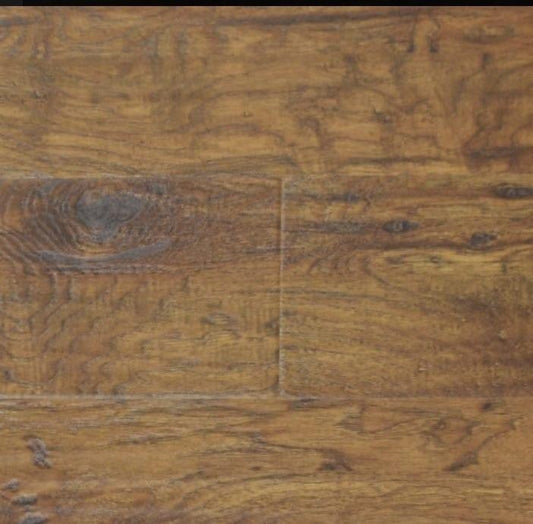
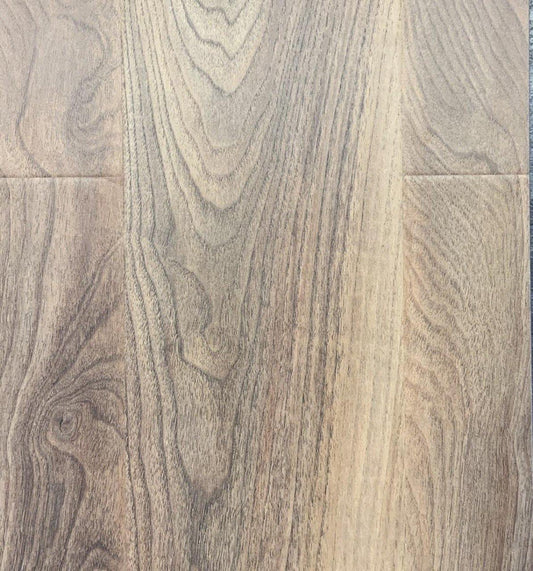
You will first notice differences in how they look and feel. Hardwood has natural variations in grain, color, and texture. Each plank is unique, giving an authentic feel. Laminate looks very real today, but its patterns repeat. It also has a more uniform appearance.
Hardwood often feels warmer and more solid underfoot. Laminate, especially when floating, can sometimes sound a bit hollow. A good underlayment can help with this.
Durability and Maintenance: Which Holds Up Better?
When you buy new flooring, durability is often a main worry. You want a floor that can handle daily life, from pets to busy families. Both hardwood and laminate last a long time, but they deal with wear and tear differently.

Scratch and Dent Resistance in Laminate Flooring
Laminate flooring has a tough wear layer. This makes it very resistant to scratches, dents, and fading. It's a popular choice for homes with active kids or pets. If this top layer gets damaged, it can be hard to fix. Deep chips may mean replacing the plank.
The Longevity of Natural Hardwood
Natural hardwood is beautiful. However, it is softer than laminate's top layer. It can show scratches and dents more easily. Its big advantage is that you can refinish it. Refinishing hardwood multiple times means it can last for generations. This restores its beauty and extends its life.
Moisture Sensitivity and Water Resistance Comparisons
Moisture is a big problem for traditional wood floors. Hardwood will warp or swell if exposed to standing water or high humidity. Laminate's HDF core and protective top layer make it more resistant to small spills and humidity changes than solid hardwood. However, it is not waterproof. Long exposure to water can make the core swell and cause damage that cannot be fixed.
Daily Cleaning and Long-Term Maintenance Requirements
Both types of flooring are fairly easy to clean. Regular sweeping or vacuuming is key for both. This stops dirt from scratching the surface. For deeper cleaning, a damp mop is usually fine for laminate. Use cleaners recommended by the maker. Hardwood needs specific wood floor cleaners. Never wet-mop it, as this can cause moisture damage. Over time, hardwood may also need waxing or polishing between refinishing.
Budgeting for Your Flooring Project
Cost is a key factor for most homeowners. Laminate usually costs less upfront. But it's important to think about all expenses. These include materials, installation, and long-term value. This gives you a full picture of your investment.
Average Material Costs for Hardwood vs Laminate
Laminate flooring materials are generally more affordable than solid hardwood. Laminate prices vary a lot. Factors include quality, wear layer rating, and how real the design looks. Hardwood prices depend on the wood type, grade, and finish. Exotic woods usually cost more. It's best to view these as price ranges. Specific costs rely heavily on your chosen product.
Hidden Costs: Underlayment, Labor, and Subfloor Preparation
Beyond the planks, you need to consider other items. Laminate often needs a separate underlayment. This helps with sound and moisture. Hardwood might need specific glues or fasteners. Both types of flooring need a clean, dry, and level subfloor. This might mean extra prep work.
Professional installation labor will also be a big part of the total cost. This is especially true for hardwood.
The Impact of Flooring on Home Resale Value
Both hardwood and laminate can improve a home. However, hardwood flooring often offers a better return on investment. It can greatly boost a home's resale value. Buyers often see real hardwood as a premium feature. They value its timeless look and how long it lasts. Laminate is attractive and practical, but it typically doesn't add the same value as real wood.
Installation Considerations
Installing hardwood versus laminate is very different. This impacts your budget and project time. Knowing these differences helps you decide if you can do it yourself or if you need a professional.
DIY Potential: Why Laminate is Often a Favorite for Homeowners
Laminate flooring is well-known for being easy to install yourself. It uses click-lock or tongue-and-groove systems. Most laminate planks float over the subfloor. They don't need glue or nails. This makes the job faster and simpler for a confident homeowner. It can also save a lot on labor costs.
Professional Installation Requirements for Hardwood
Installing solid hardwood is a more complex job. It usually needs a professional. Hardwood must sit in your home for several days first. This helps it get used to the humidity and prevents warping. Then, it needs careful installation, often nailed or glued down. Proper gaps around the edges allow for natural movement. Professional installation ensures hardwood performs correctly and lasts as intended.
Timeframe and Complexity of Different Flooring Types
Because installation differs, so does the project timeline. Laminate can often be installed in a day or two for a typical room. This depends on how much subfloor prep is needed. Hardwood installation takes longer. It includes acclimation, subfloor prep, and precise plank laying. This can take several days to a week or more, especially for larger or complex areas.


Aesthetics and Design Versatility
Beyond practical needs, how your flooring looks and feels is very important for your home's style. Both hardwood and laminate offer many design choices to fit almost any look.
The Timeless Appeal of Authentic Wood Grain
Nothing compares to the natural beauty of real wood grain. Each hardwood plank has unique knots, streaks, and color changes. It brings warmth, elegance, and class to any home design, from old-fashioned to modern.
Modern Advancements in Laminate Flooring Textures and Print Quality
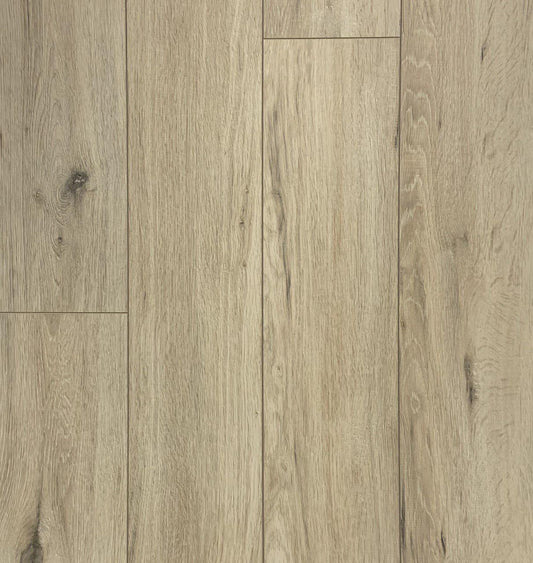
Laminate flooring has greatly improved recently. New manufacturing methods allow for very realistic photo layers. Sophisticated textures can mimic real wood grain, hand-scraped finishes, or even stone. Laminate offers a huge range of colors, patterns, and plank sizes. This gives you amazing design freedom.
Matching Your Flooring to Your Home's Interior Style
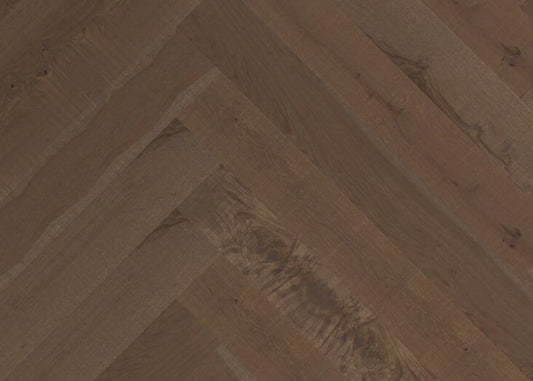
No matter if you pick hardwood or laminate, you'll find options to match your home's style. For a classic, lasting look, traditional hardwood types and finishes are perfect. If you want trendy wide planks, distressed textures, or exotic wood looks without the high price, good quality laminate can be a strong alternative. Both can be versatile bases for different decor themes.
Environmental Impact and Indoor Air Quality
Homeowners care more about their environmental impact and indoor air. So, it's key to consider how sustainable flooring materials are and what chemicals they contain.
Sustainability of Sustainably Sourced Hardwood
Hardwood is a renewable resource. If it comes from sustainably managed forests, it's an eco-friendly choice. Look for certifications like the Forest Stewardship Council (FSC) label. This shows the wood comes from responsible sources. Hardwood's long life and ability to be refinished also cut down on waste.
VOC Emissions and Chemical Considerations in Laminate
Laminate is a manufactured product. It can sometimes have volatile organic compounds (VOCs). These can release into your home's air. Such emissions may affect indoor air quality. However, many makers now offer low-VOC or formaldehyde-free laminate. Always check for certifications like GREENGUARD or FloorScore. This ensures it meets strict air quality rules.
Choosing Eco-Friendly Flooring Options
Whether you prefer hardwood or laminate, more eco-friendly options exist. For hardwood, pick certified sustainable choices. For laminate, look for products with low-VOC emissions. Also, consider companies with strong environmental policies. Making smart choices helps create a healthier home.


Final Verdict: Choosing the Right Flooring for Your Lifestyle
In the end, your choice between hardwood and laminate depends on your priorities, budget, and lifestyle. Both are great flooring options. They simply work best in different situations.
Best Scenarios for Choosing Hardwood
- You want a long-term investment that adds real resale value to your home.
- You love the unmatched natural beauty and unique look of real wood.
- You are ready for the higher upfront cost and professional installation.
- You like that you can refinish your floors many times over decades.
- Your space has stable humidity and few spills.
Best Scenarios for Choosing Laminate Flooring
- You need a durable, scratch-resistant surface for pets and busy families.
- You have a tighter budget but still want the look of wood.
- You are interested in a DIY installation project.
- You need a floor that handles small moisture issues better than traditional hardwood.
- You want many styles and finishes without the high price.
Final Checklist for Making Your Decision
Before making your final choice, consider these points:
- Budget: What is your realistic spending limit for materials and installation?
- Lifestyle: Do you have pets, kids, or high-traffic areas?
- Location: Is the room prone to moisture or extreme temperature changes?
- Aesthetic: Do you prefer the authentic look of real wood or the consistent look of modern laminate?
- Maintenance: Are you willing to follow specific cleaning rules for hardwood, or do you prefer laminate's simpler care?
Both hardwood and laminate offer beautiful and useful flooring for your home. By comparing their features to your needs, you can confidently pick the right flooring. It will bring you joy for years to come. If you still have questions or need a professional opinion on your subfloor, contact a local flooring expert. We are here to help you make the best choice for your home.