Loose Lay Vinyl Flooring: Pros, Cons, and Installation Guide
Key takeaways
- Loose lay vinyl flooring uses a high-friction rubber backing to stay in place without the need for glue or click-lock mechanisms.
- The primary advantage of loose lay vinyl is the ease of repair, as individual planks can be replaced without removing the entire floor.
- A perfectly flat, clean subfloor is essential for loose lay installation, as the planks will show any imperfections in the surface below.
- Loose lay flooring is an excellent choice for DIY projects due to its simple installation process and lack of specialized tools.
Shopping for Loose Lay Vinyl Planks in Greater Vancouver?
D&R Flooring stocks commercial and residential loose lay vinyl planks in Langley. Visit our showroom for take-home samples, professional subfloor prep advice, and volume discounts.
The rubber backing on our Seoul Loose Lay Vinyl Collection enhances sound absorption, creating a quieter and more comfortable environment underfoot.
Understanding Loose Lay Vinyl Flooring
If you're exploring the world of luxury vinyl plank (LVP) flooring for your residential space, you may have come across the term "loose lay vinyl flooring." At D&R Flooring, we are thrilled to introduce you to our exclusive Seoul Loose Lay Vinyl Collection, a modern and convenient flooring installation method that offers both innovation and ease.
Unlike traditional click-lock systems or glue-down planks, loose lay vinyl relies on a high-friction, heavy-duty rubber backing. This backing grips the subfloor, keeping the planks in place through weight and surface tension rather than chemical adhesives or mechanical locking mechanisms. This makes it one of the most flexible flooring options available for homeowners in Langley, BC.
The Versatility of Luxury Vinyl
Before diving deeper into the wonders of loose lay vinyl flooring, it's essential to grasp the concept of luxury vinyl (LVP or LVT). Comprising multiple layers of hardened plastic with a protective wear layer, LVP serves as an impressive alternative to traditional hardwood. Its waterproof properties, durability, and extensive design catalog make it a compelling choice for flooring in kitchens, basements, and high-traffic hallways.
The Essence of Seoul Loose Lay Vinyl Plank
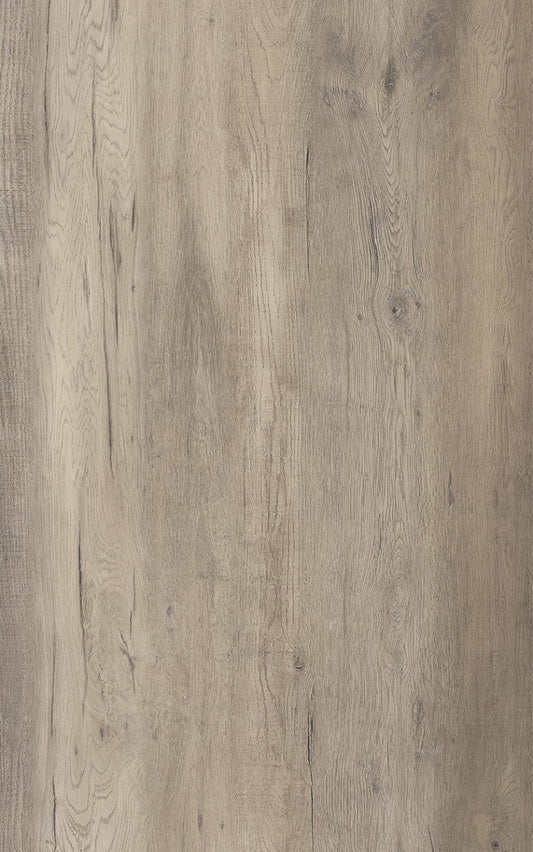
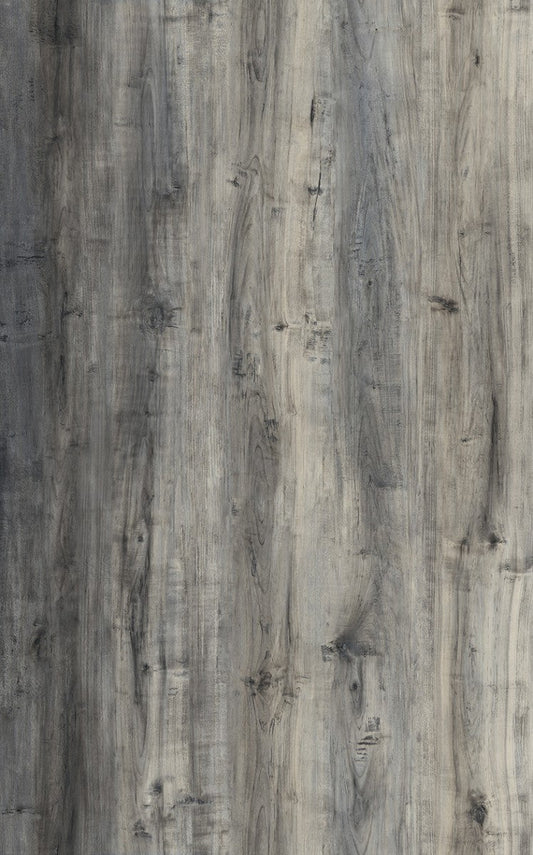
Our Seoul Loose Lay Vinyl Collection offers a diverse range of styles in both LVP and LVT formats. While LVP expertly replicates various wood flooring types, LVT captures the charm of different tile materials like porcelain or natural stone. As a floating floor, loose lay vinyl planks rest on the subfloor without the need for adhesives, simplifying the installation process significantly compared to traditional methods.
The Benefits of Opting for Loose Lay Vinyl Flooring
Loose lay vinyl flooring boasts numerous advantages, making it a favorite for homeowners and DIY enthusiasts alike:
- Ease of Installation: Because there is no clicking or gluing, you can install a room in a fraction of the time.
- Simple Repairs: If a single plank is damaged, you can simply lift it out and replace it without disturbing the rest of the floor.
- Repositioning: The planks can be moved or reconfigured, which is ideal for temporary setups or if you decide to change your room's layout.
- Sound Absorption: The dense rubber backing acts as an acoustic barrier, making it quieter underfoot than standard laminate or thin click-lock vinyl.


The Cons and Considerations
While loose lay vinyl is highly convenient, it is not a "one-size-fits-all" solution. Understanding the limitations is key to a successful project:
- Subfloor Requirements: Loose lay flooring is unforgiving when it comes to subfloor imperfections. Because the planks aren't locked together, they will telegraph any dips or bumps in the subfloor. A perfectly flat, clean subfloor is mandatory.
- Temperature Sensitivity: In areas with extreme temperature fluctuations or direct, intense sunlight, vinyl can expand and contract. While loose lay allows for some movement, it is still susceptible to gapping if the environment is not climate-controlled.
- Not for Every Space: In extremely high-traffic commercial settings or areas where heavy rolling loads (like commercial carts) are present, a fully adhered glue-down floor is generally superior for long-term stability.
- Perimeter Constraints: Loose lay requires a very tight fit against the walls. If the perimeter is not properly secured with baseboards or quarter-round molding, the planks can shift over time.
Durability, Comfort, and Sustainability
Rest assured, our Seoul Loose Lay Vinyl Collection is meticulously crafted with premium materials, ensuring long-lasting durability comparable to any other LVP. The rubber backing enhances sound absorption, creating a quieter and more comfortable environment underfoot. Moreover, as a low-VOC option, loose lay vinyl flooring aligns with your eco-friendly values, making it a safer choice for indoor air quality.
Installation Best Practices
To get the best results, start by acclimating your flooring in the room where it will be installed for at least 24 to 48 hours. Ensure your subfloor is dry, flat, and free of debris. When installing, start from a corner and work your way across the room. Ensure each plank is placed tightly against the next; because there is no locking mechanism, the "snugness" of the fit is what prevents gaps. If you are installing in a large area, consider using a light adhesive or double-sided tape at the perimeter to ensure the floor remains locked in place over the years.
Where to Buy Loose Lay Vinyl Plank Flooring?
You can buy high-quality loose lay vinyl plank flooring, including the Seoul Loose Lay Vinyl Collection, at D&R Flooring. As a reputable and reliable source for all your flooring needs in Langley, we provide expert guidance and quality products to transform your space with ease and style. Visit our showroom to see samples and discuss your project requirements with our installation experts.


Frequently asked questions
Do I need to use glue with loose lay vinyl?
No, loose lay vinyl is designed to stay in place using its weight and a high-friction rubber backing. However, some installers may use a light adhesive at the perimeter for added stability in large rooms.
Can I install loose lay vinyl over an uneven subfloor?
No. Because the planks are not locked together, they will follow the contours of your subfloor. You must ensure your subfloor is level and smooth before beginning installation.
Is loose lay vinyl waterproof?
Yes, like most luxury vinyl products, the planks themselves are waterproof, making them a great choice for moisture-prone areas like kitchens or basements.